
Blog
Film scanning guides and real drum scan examples.
Practical articles about scan sizes, negative conversion, Heidelberg Tango drum scanning, 35mm, 120, 6×17 panoramic film and how different film stocks behave when scanned properly.
Film Scan Sizes Explained: M vs L and Which One You Actually Need
A practical guide to choosing scan size M or L for 35mm, 120 and large format film, depending on print size, cropping, archive value and final use.

Negative Conversion for Drum Scans: Scan-Only vs Converted Files
What scan-only delivery means, when converted 16-bit TIFF files are better, and why manual colour negative conversion matters for Portra, Ektar and black-and-white film.

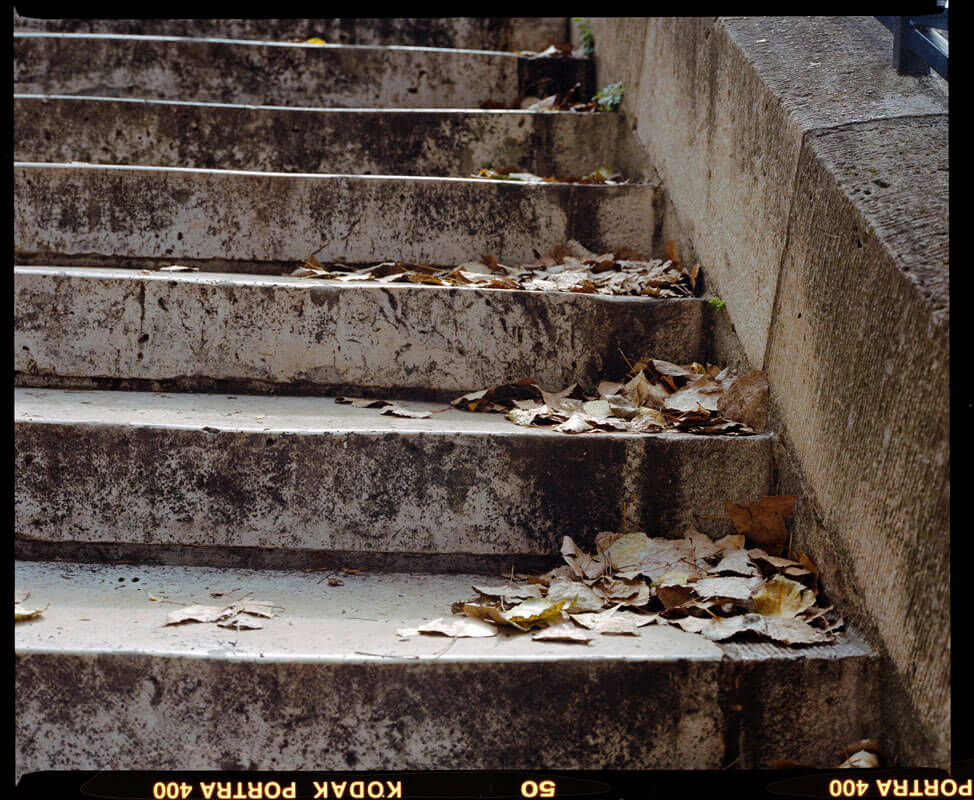
High-Resolution Drum Scan Sample: 6×7 Portra 400 on a Bronica GS-1
A real 6×7 Portra 400 drum scan with full frame, 25%, 50% and 100% crops so you can judge grain, edge detail and print-ready resolution.

Kodak Portra 400 Drum Scan Example (6×7 Medium Format, 120 Film)
A medium format Portra 400 drum scan example showing smooth skin tones, gentle contrast, fine grain and the value of careful manual conversion.

Ilford XP2 Super 400 Drum Scan Example (35mm C-41)
A 35mm Ilford XP2 Super 400 drum scan example from a high-contrast scene, with notes on chromogenic black-and-white film and useful output size.

6×17 Drum Scan Proof: Why Panoramic Film Needs a Real Drum Scanner
A 6×17 Portra 400 panorama drum scan with notes on film flatness, edge-to-edge sharpness, long negatives and large print files.

Why Scanning 617 Film with a Drum Scanner Is Your Best Bet
A focused guide to scanning 6×17 and 617 panoramic film, including why mounting, focus consistency and file quality matter so much.


